
Aztec New Year – March 12 ( Mexican New Year celebration )
Aztec New Year in Mexico falls on March 12th every year. According to the Aztec calendar, it marks the beginning of a new year. We often think of time as a straight line—a straight line that goes from point A to B. The Aztecs had a completely different perspective. Time was a force. It provided energy and change.
Time was often a symbol of miracles. The Aztecs saw it as a constant creation, destruction, and re-creation. Given the ups and downs of life, we believe they were absolutely right. The Aztec New Year celebrates an ancient culture whose values are still respected today.
History of the Aztec New Year
Every year on March 12th, according to the Aztec calendar, the Aztec New Year celebrates the beginning of the year. It is a date with many symbols, traditions, and celebrations.
This holiday is special to the Nahua communities in Mexico—a group of indigenous people living in parts of Mexico and El Salvador. In native Nahuatl, the holiday is called ‘Yancuic Xihuitl.’ Nahuatl is a fascinating language with many dialects and Uto-Aztecan roots. Today, Nahua communities speak a mix of Nahuatl and Spanish.
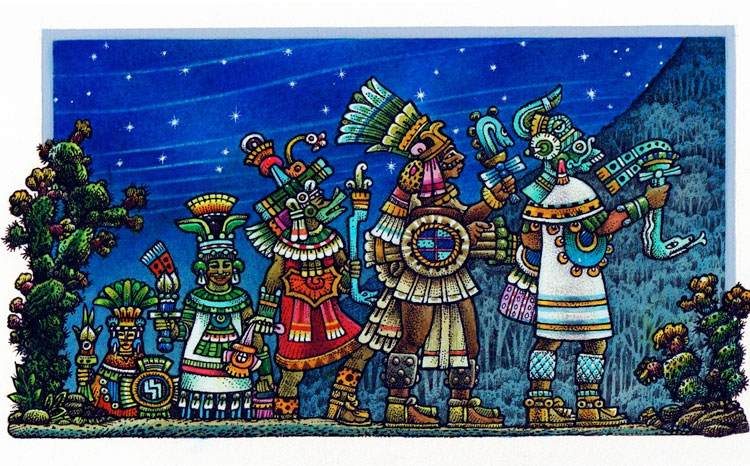
From 1300 to 1521, the Aztecs rose to power and influence as the center of Mesoamerican culture. They followed the Mexica or Aztec calendar—a 365-day calendar cycle with two parts that ran simultaneously. The first was the year count, or Xiuhpohuali. The second was the Tonalpohualli, or “Counting of Days”—a 260-day ritual cycle.
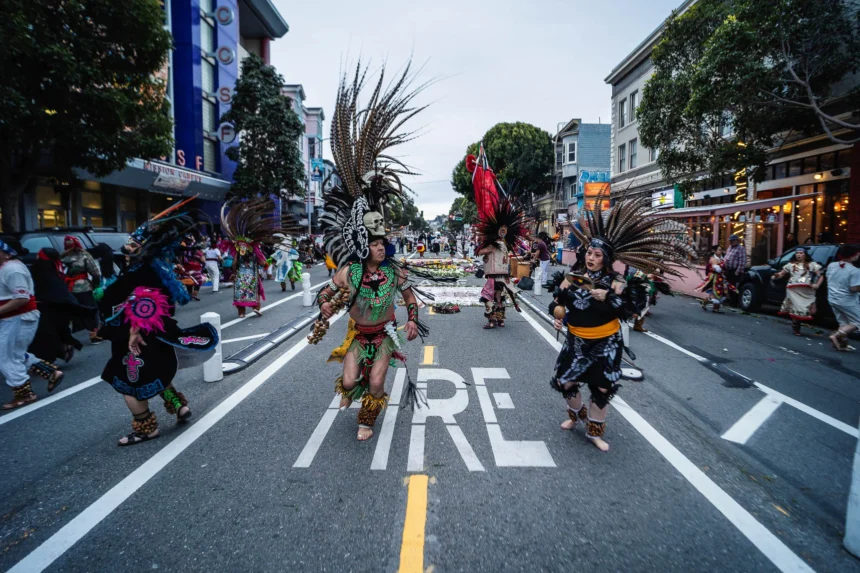
Today, the Yancuic Xihuitl celebration usually takes place the night before, on March 11th. As expected, the celebrations are spectacular. Cities like Nuapan, Huauchinango, Xicotepec, Zongolica, and Mexico City organize numerous events on this day.
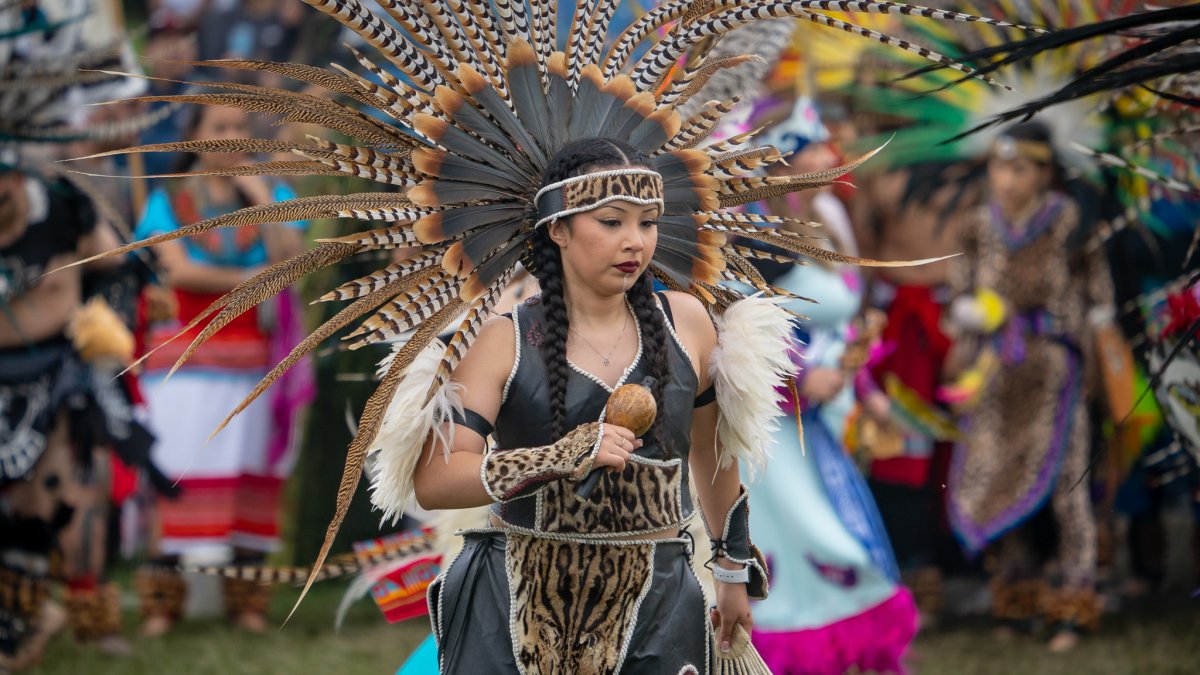
The celebration begins with ceremonial dances and songs to the beat of traditional drums. Dancers wear colorful traditional clothing and headgear made of quetzal feathers. Those lucky enough to attend can attest to the spectacular performances. People offer seeds as offerings and light “ocote,” or pitch-pine candles, which produce a fragrant and highly flammable resin.

At the end of the ceremony, people burn a flag representing the past year and perfume a flag in return. Finally, they welcome the New Year by blowing conch shells – just like their ancestors did centuries ago.